



What Engineers Should Know Before Specifying Fabric Ductwork
Modern commercial and industrial HVAC systems are evolving rapidly. As architects push for exposed ceilings, owners demand greater energy efficiency, and facilities prioritize indoor air quality, fabric ductwork has become an increasingly popular solution in mechanical engineering HVAC design.
For mechanical engineers, however, specifying fabric duct systems requires more than simply replacing sheet metal with textile alternatives. Air dispersion patterns, static pressure, condensation control, occupancy requirements, and system compatibility all affect whether fabric ductwork will succeed in a particular application.
This guide explains what mechanical engineers should understand before recommending fabric ductwork, including its advantages, limitations, best applications, and critical HVAC design considerations.
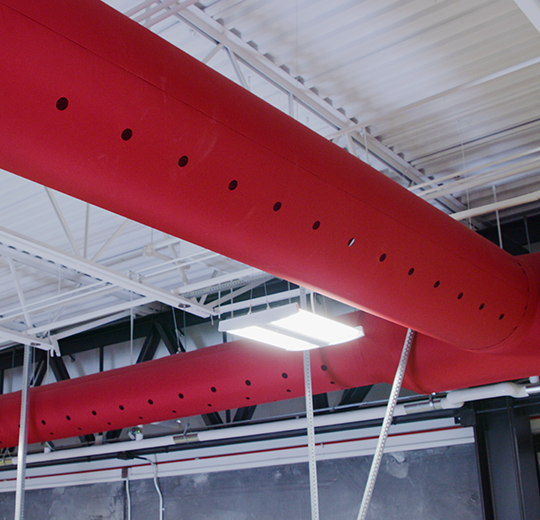
What Is Fabric Ductwork?
Fabric ductwork (sometimes called textile ducting or fabric air dispersion systems) is an HVAC air distribution solution made from engineered textile materials instead of traditional galvanized sheet metal.
Unlike conventional duct systems that rely heavily on grilles, registers and diffusers (GRDs), fabric ducts are designed to distribute air evenly along the length of the duct through engineered perforations, micro-perforations, or permeable fabric surfaces.
Fabric duct systems typically fall into three categories:
- Permeable fabric systems that allow air to pass through the material itself
- Non-permeable systems that use engineered holes or nozzles
- Hybrid systems that combine multiple airflow strategies
Today, fabric ductwork is commonly used in:
- Warehouses
- Gymnasiums
- Food processing facilities
- Manufacturing plants
- Retail stores
- Office buildings
- Laboratories
- Educational facilities
- Pools/Natatoriums
As mechanical engineering HVAC design increasingly emphasizes airflow optimization and occupant comfort, fabric air dispersion systems are becoming a more viable alternative to traditional exposed metal ductwork.
Why Fabric Ductwork Is Growing in Mechanical Engineering HVAC Design
Several industry trends are driving the increased adoption of fabric duct systems.
Improved Air Distribution
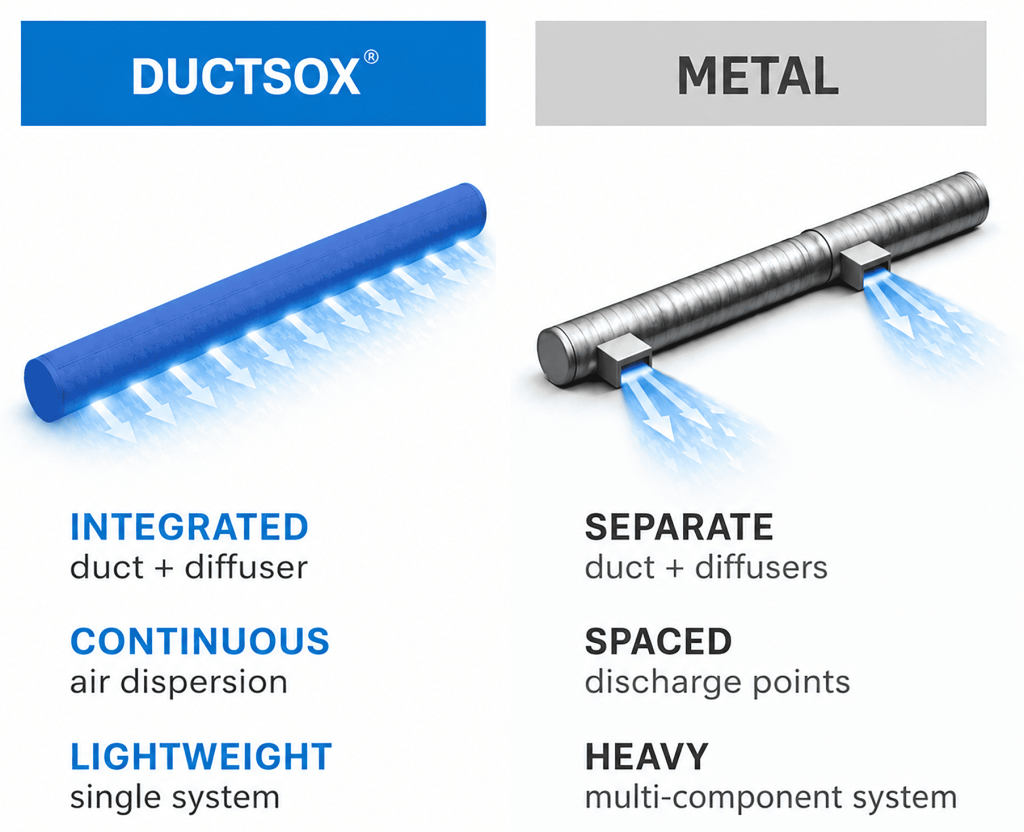
One of the biggest advantages of fabric ductwork is its ability to provide uniform airflow across large spaces.
Traditional metal ducts often create concentrated airflow zones near diffusers, which can result in:
- Drafts
- Temperature stratification
- Hot and cold spots
- Uneven occupant comfort
Fabric ducts distribute conditioned air more evenly along the duct run, improving air mixing and reducing discomfort. For large open environments such as warehouses or fitness centers, this can significantly improve HVAC performance.
Energy Efficiency Potential
Energy efficiency remains a major priority in commercial HVAC engineering.
- Fabric duct systems may improve energy performance by:
- Reducing air stratification Improving mixing efficiency
- Lowering required fan energy in certain applications
- Supporting more consistent temperature control
In heating applications, especially in tall spaces, better air mixing can help minimize temperature layering near ceilings.
While energy savings vary by application, many engineers evaluate fabric ductwork as part of broader sustainable HVAC strategies.
Faster Installation
Fabric duct systems are substantially lighter than metal ductwork.
This creates several installation advantages:
- Reduced structural load requirements
- Faster installation timelines
- Lower labour costs
- Simplified retrofits
- Easier transportation and handling
For renovation projects or facilities with limited installation windows, fabric ducts can dramatically reduce project downtime.
Architectural and Aesthetic Benefits
Exposed ceiling architecture continues to dominate modern commercial building design.
Traditional metal ductwork can appear industrial and visually intrusive. Fabric duct systems offer a cleaner and more customizable appearance.
Available options include:
- Multiple colours
- Various shapes
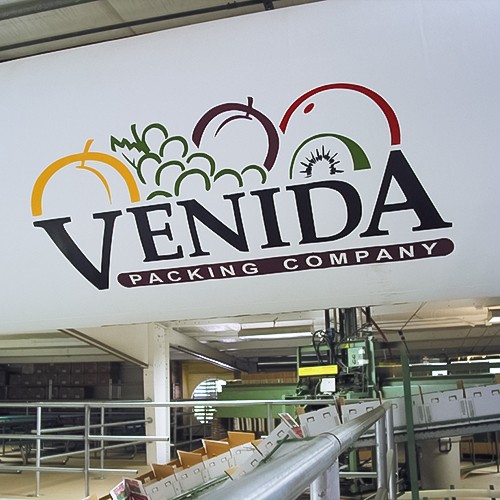
- Decorative printing
- Custom logos/branding opportunities
Because of this flexibility, fabric ductwork is frequently used in architecturally sensitive environments such as:
- Retail spaces
- Fitness centers
- Educational buildings
- Contemporary offices
Easier Maintenance and Cleaning
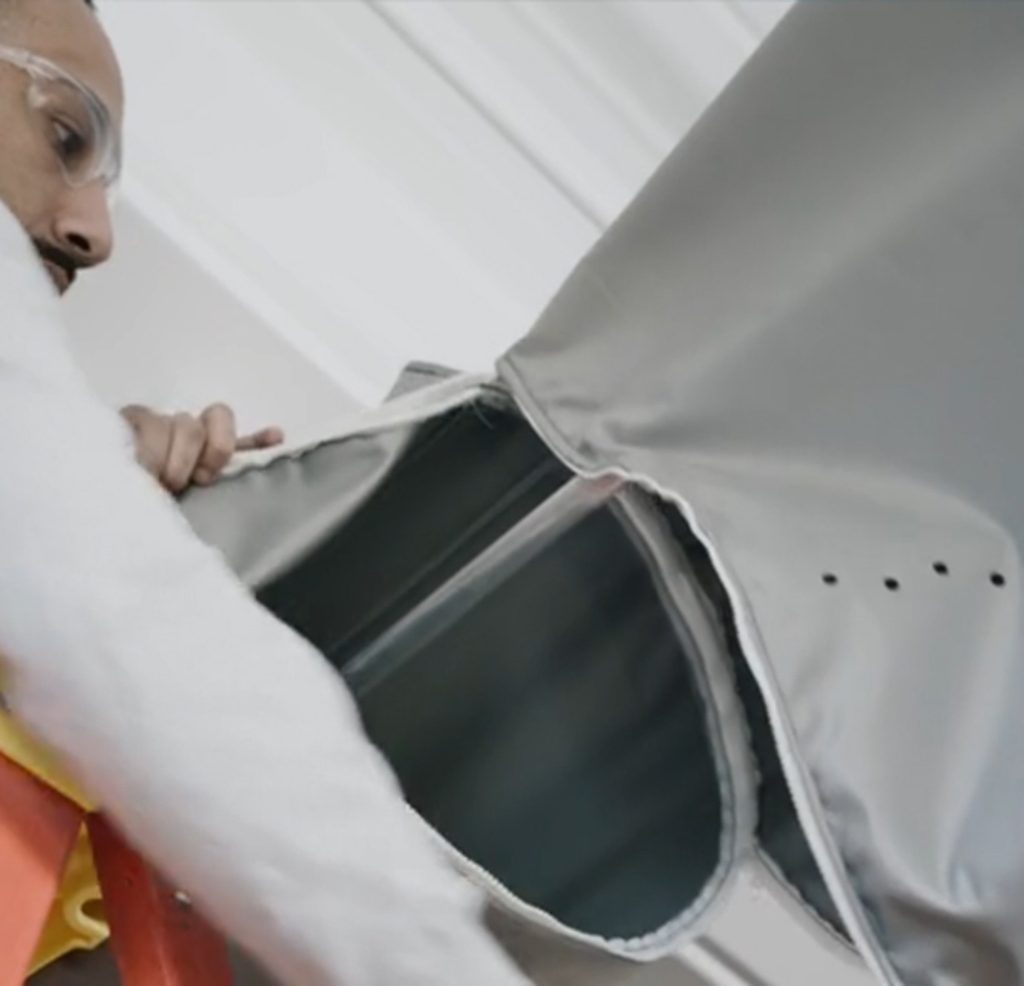
In environments where cleanliness matters, removable fabric ducts provide significant advantages.
Most systems can be:
Removed quickly
Laundered
Reinstalled with minimal disruption
This makes fabric dispersion systems especially attractive for:
- Food processing facilities
- Clean manufacturing
- Laboratories
- Indoor agriculture
In many cases, cleaning fabric ducts is far easier than cleaning internal metal duct surfaces.
Critical Design Considerations Before Specifying Fabric Ductwork
Despite their benefits, fabric duct systems require careful engineering analysis.
Mechanical engineers should evaluate several important factors before specifying textile duct systems.
Airflow and Static Pressure Requirements
Proper airflow design is critical to fabric duct performance.
Unlike rigid metal ducts, traditional fabric systems rely on internal static pressure to maintain shape and airflow characteristics. However, more modern fabric systems like SkeleCore® from DuctSox provide tensioning capabilities to retain the shape even when air is not flowing through the system.
Engineers must carefully evaluate / applications/ food processing:
- Required airflow rates
- Duct diameter sizing
- Air throw distances
- Pressure losses
- Discharge velocity
Incorrect pressure assumptions can lead to:
- Duct sagging
- Poor air distribution
- Reduced occupant comfort
- Inconsistent airflow patterns
Because airflow exits continuously along the duct length, engineers should also account for changing airflow volume throughout the system.
Condensation Control
Condensation management is one of the most important considerations in mechanical engineering HVAC design involving ductwork.
Condensation occurs when duct surface temperatures fall below the surrounding air dew point.
Potential risks include:
- Moisture accumulation
- Mold growth
- Dripping water
- Reduced indoor air quality
Permeable fabric systems can help reduce condensation by minimizing temperature differences at the duct surface. However, application conditions still matter significantly.
Mechanical engineers should evaluate:
- Indoor humidity levels
- Supply air temperature
- Building dew point conditions
- Insulation requirements
- Airflow continuity
Facilities with intermittent airflow operation may require additional design considerations.
HVAC System Compatibility
Not every HVAC system is an ideal candidate for fabric ductwork.
Engineers should analyze compatibility with:
- VAV systems
- Constant volume systems
- Heating-only systems
- Cooling-only systems
- Mixed-use occupancy schedules
For example, very low airflow conditions in VAV systems may create insufficient pressure for traditional fabric systems to maintain proper duct inflation. This is not a problem with DuctSox’s SkeleCore® system.
Similarly, high-temperature industrial exhaust systems may exceed fabric material limitations.
Understanding operational variability and shape retention requirements are essential before recommending the correct fabric duct solutions.
Ceiling Height and Space Geometry
Fabric duct performance depends heavily on room geometry.
Mechanical engineers should evaluate:
- Ceiling height
- Occupancy zones
- Obstructions
- Lighting layouts
- Equipment placement
In high-bay environments, engineers often use larger holes, directional nozzles, or specialized airflow patterns to deliver conditioned air effectively to occupied zones.
In lower ceiling applications, airflow velocity must be carefully managed to avoid drafts.
Proper mounting location also affects airflow uniformity and thermal comfort.
Noise and Acoustic Performance
Acoustics are increasingly important in commercial HVAC design.
Compared to metal duct systems, fabric ductwork often produces quieter airflow distribution because it eliminates many traditional diffuser-related turbulence issues.
Potential acoustic benefits include:
- Reduced vibration
- Lower reverberation
- Even noise distribution
- Less diffuser hiss
This can improve occupant comfort in offices, schools, fitness facilities, retail spaces, and other noise sensitive spaces.
Applications Where Fabric Ductwork Performs Best
Fabric duct systems are not universally ideal, but they perform exceptionally well in certain environments.


